
Best time to visit Peru: climate by region (2026 guide)
- For: travelers building a BR → Lima / Andes / south-coast itinerary who want to avoid rain, garúa, or crowd surprises
Quick answer
- There is no single best month: in the Andes (Cusco, Sacred Valley, Machu Picchu) the dry window is May–Sep, with peak prices and crowds in Jun–Aug.
- Lima and the coast are warmer and sunnier in Dec–Mar; Jun–Sep brings garúa (cold fog).
- Puno is driest in May–Sep (February = Candelaria + rain); Arequipa is dry and mild most of the year.
- Inti Raymi (24 Jun) and Fiestas Patrias (28–29 Jul) push up transport and hotel prices.
In this article
There is no single “best month” for all of Peru. Andes, coast, and altiplano have different calendars — and festivals like Inti Raymi or Candelaria change price and availability. This article summarizes the typical windows in the PeruCheap guide; dates and rules were checked against official sources in Sep 2026.
Quick view by region
| Region | Typical best window | What to expect |
|---|---|---|
| Andes (Cusco, Sacred Valley, Machu Picchu) | May–Sep (dry, clear skies) | Jun–Aug = peak price/crowds; Inti Raymi 24 Jun |
| Andean shoulder | Apr–May, Sep–Oct | Fewer people; still good for trekking |
| Andean rains | Nov–Mar | Green, fewer tourists; fog possible at Machu Picchu |
| Lima / coast | Dec–Mar warmer/sunnier; Jun–Sep = garúa (cold fog) | Do not expect heat year-round |
| Arequipa | Dry and mild almost year-round; cold nights | City anniversary ~Aug |
| Puno / Titicaca | May–Sep drier; Feb = Candelaria + rain | Intense cold Jun–Aug |
| Ica / Paracas / Huacachina | Coast summer Dec–Mar (desert heat); Lima holidays fill up | Vendimia (grape harvest) usually 1st half of March |
Climate sources cited in the PeruCheap guide: perutourism.org/best-time-to-visit-peru/ · weatherspark.com/countries/PE — cross-check with the SENAMHI forecast on travel day.
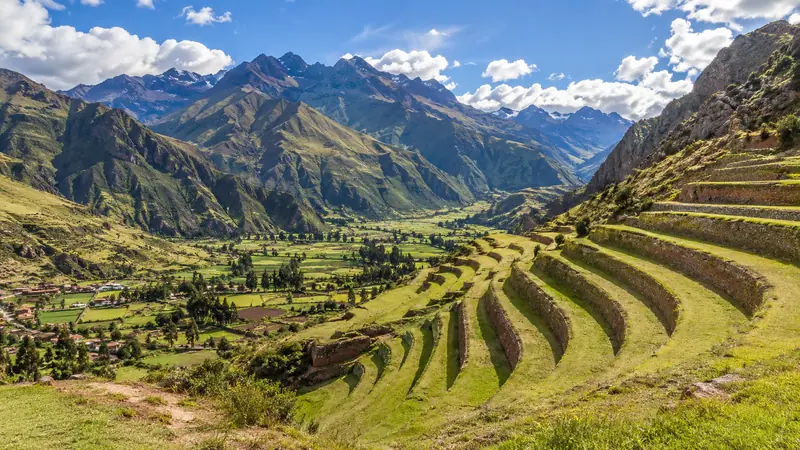
Andes: Cusco, Sacred Valley, and Machu Picchu
Approximate altitude: Cusco ~3,400 m; Valley (Urubamba/Ollanta) ~2,800–2,900 m; Machu Picchu ~2,430 m.
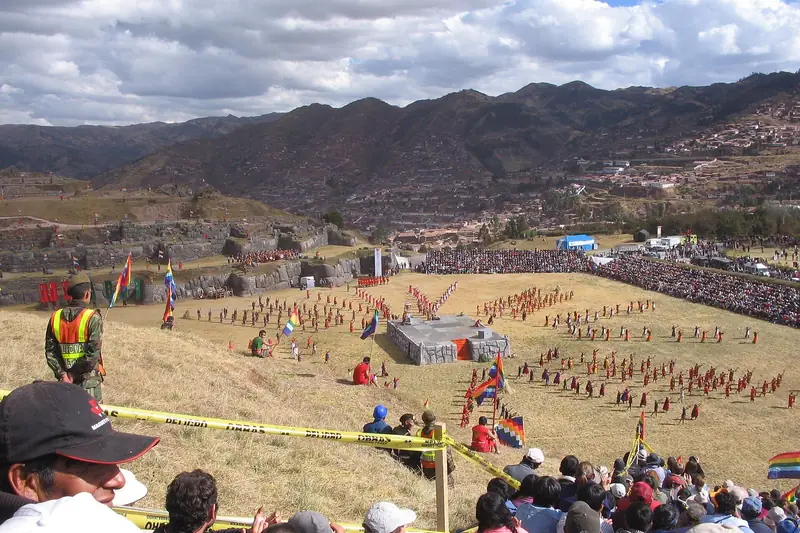
In the dry season (May–Sep), clear skies favor photos and trekking. Cusco’s jubilee month (June) and Inti Raymi (24 Jun) fill hotels, trains, and tickets. Fiestas Patrias (28–29 Jul) stop the country and raise transport prices. Corpus Christi (the Thursday 60 days after Easter; 4 Jun 2026, 27 May 2027), Señor de los Temblores (Holy Monday; 22 Mar 2027), and Qoyllur Rit’i (~58 days after Easter, late May/early June) also raise demand — movable dates change every year with Easter.
Shoulder (Apr–May, Sep–Oct): good climate × crowd balance for those who accept some cloud.
Rains (Nov–Mar): green landscape, shorter lines; at Machu Picchu fog is common — if the classic photo is a priority, keep flexibility (two days / overnight in Aguas Calientes). Daily Llaqta capacity is limited: 5,600 visitors on 1 Jan, 2–5 Apr, 19 Jun–2 Nov and 30–31 Dec, and 4,500 on other days (RM 285-2025-MC; live availability on TuBoleto, checked Sep 2026).
Popular acclimatization strategy: sleep first in the Sacred Valley (lower) before Cusco. Rainbow Mountain / Palcoyo (~4,900 m+) only after acclimatizing — never on day 1.
Lima and the coast: summer vs garúa
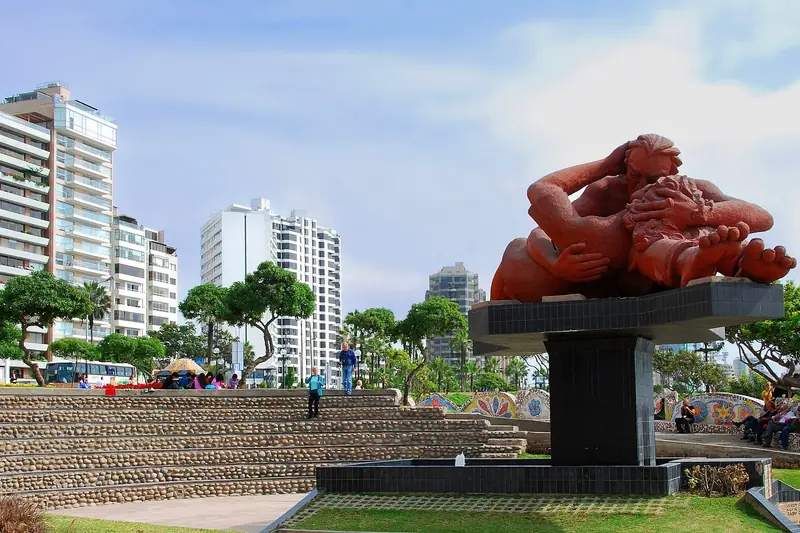
Lima sits near sea level (~0–150 m). December to March is usually the warmest, sunniest window. From June to September, garúa (cold fog) is typical: gray city, damp cold feel — useful to know if you expected “beach year-round”.
Local peaks:
- Señor de los Milagros — October (processions 18, 19, 28); purple crowds
- Fiestas Patrias — 28–29 Jul
- Día del Pisco Sour — first Saturday of February
Historic Center: prefer a daytime visit; sleep in Miraflores, Barranco, or San Isidro.
South coast: Paracas, Ica, and Huacachina
Classic route Lima → Paracas → Ica/Huacachina (1–2 nights or full day). Sea level = a good “breather” after the Andes.
- Summer (Dec–Mar): desert heat; strong hydration and sunscreen on the dunes
- Vendimia in Ica: usually first half of March (queen, grape stomping, bodegas)
- Festival Internacional de la Sirena de Huacachina: returned on 17–19 Sep 2026 after 15 years (Andina); not yet confirmed as an annual event
- Extended Lima holidays: crowds in Paracas/Huacachina
Ballestas: morning is usually better at sea; bring a windbreaker. A full day from Lima is rushed; 1 night in Paracas or Huacachina improves the experience.
Arequipa and Colca
City altitude ~2,335 m; Colca villages ~3,600 m+. Dry, mild climate almost year-round, with cold nights. A good stop before Puno/Cusco for gradual ascent.
Arequipa anniversary — August; in 2026: serenade 14 Aug, Corso de la Amistad 15 Aug and Festidanza 16–19 Aug (official 2026 program, checked Sep 2026) — city in festival; the program changes every year. Virgen de Chapi: May 1 (pilgrimage Apr 30). Colca: leave early for condors at Cruz del Cóndor; cold + altitude.
Puno and Lake Titicaca
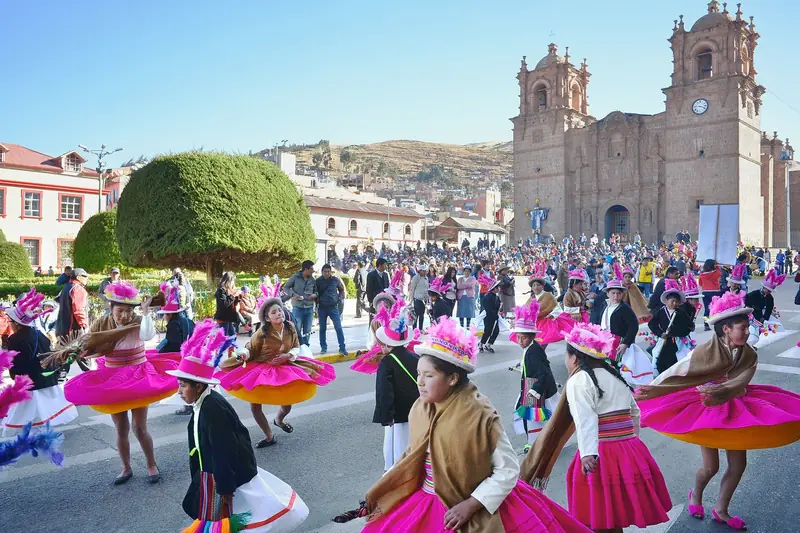
Altitude ~3,800–3,830 m — above Cusco. Driest window: May–Sep. February concentrates Virgen de la Candelaria (anchor Feb 2 + fortnight): Peru’s largest festival, UNESCO; rain + crowds — book hotel 2–3 months ahead. Puno Jubilee Week (~1–7 Nov, peak Nov 5) is usually drier/more comfortable than February. Jun–Aug: intense cold at night.
Acclimatize; hydrate; avoid effort on day 1. Typical arrival: flight to Juliaca (JUL) + ~1 h transfer, or Cusco–Puno bus (e.g. Inka Express Ruta del Sol).
How to choose the month by goal
Clean Machu Picchu + Andes photos: May–Sep (accepting Jun–Aug peak) or shoulder Apr–May / Sep–Oct.
Fewer people and a mentally “lighter” price: shoulder or early rains, with a fog plan B.
Food and city time in Lima: any month; if you want coast sun, prioritize Dec–Mar.
Desert + Ballestas: Dec–Mar or shoulder; avoid holidays only if you hate crowds.
Candelaria / Inti Raymi: pick the festival first, then hotel and transport.
Mixed Andes + coast itinerary: a common strategy is Lima/Ica (sea level) → Arequipa → Cusco/Valley → MP, or the reverse with Valley acclimatization.
Quick checklist before locking dates
- Check national holidays and local festivals at the destination
- Machu Picchu ticket on TuBoleto well ahead in high season
- PeruRail / Inca Rail train in the same window
- Travel insurance with altitude coverage (Cusco/Puno)
- Climate expectation in Lima (garúa vs summer)
- Check forecast and official rules near departure
Climate is a historical trend, not a guarantee. Always check official sources and the forecast on the day.
Want help planning your route?
Tell us your dates, how many people are traveling and which places you want to combine. PeruCheap helps you organize the days and flags what to check before booking.